Our Services

Professional installation of solar panels for homes, businesses, and industries. Our certified engineers ensure a safe and efficient setup.

Custom solar system design tailored to your energy needs, roof space, and budget. We size every system for maximum savings and efficiency.

Regular inspection and cleaning to keep your solar system performing at its best. We handle testing, repairs, and component checks.

We manage the complete net metering documentation and approval process so your system connects to the WAPDA grid and you earn from surplus energy.

Go solar with zero upfront stress. We assist with bank loan applications and financing documentation to make solar affordable for everyone.

Large-scale solar systems for factories, offices, and commercial buildings. We design high-capacity setups that deliver strong long-term ROI.
About US
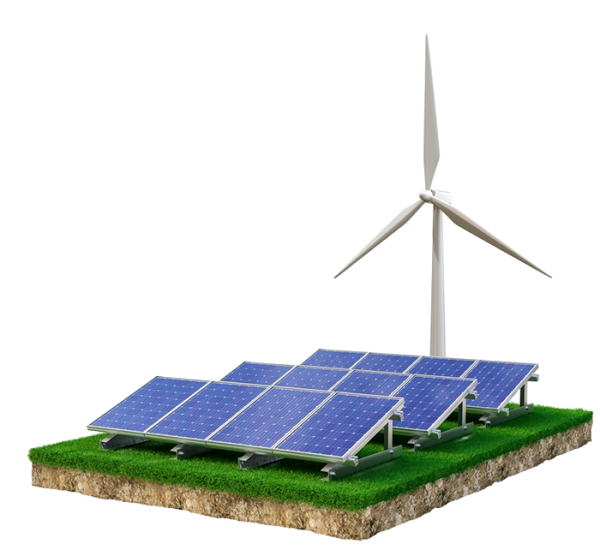
At Solar Solution Pakistan, we are driven to reshape Pakistan's energy future through clean, affordable solar power. We make renewable energy accessible to everyone from high-efficiency solar panels and inverters to full system design ensuring a sustainable nation while significantly lowering your energy costs.
Read More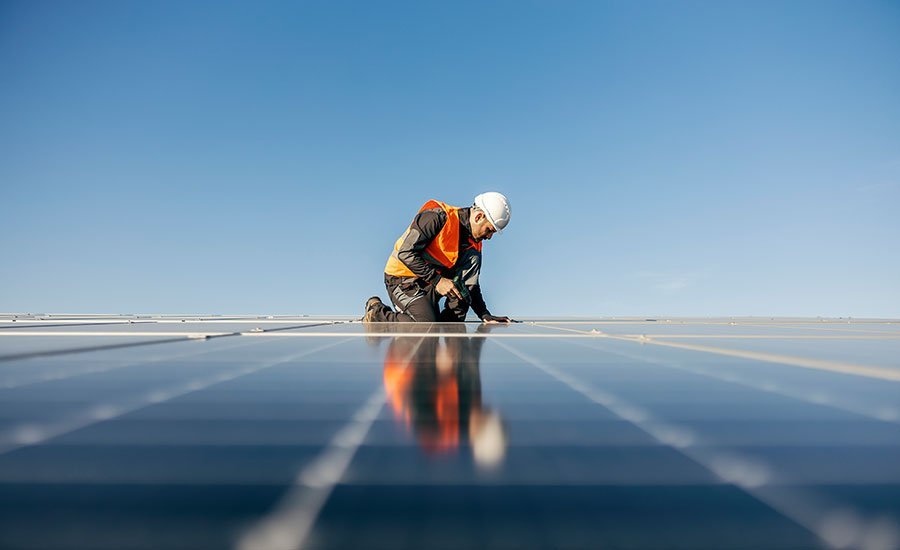
From consultation to installation and after-sales support, Solar Solution Pakistan delivers a complete solar experience backed by certified expertise, premium products, and a proven track record across Karachi, Lahore, and Islamabad.
About Us
Our engineers are trained and certified solar professionals who ensure every installation is safe, efficient, and built to last.
Learn More
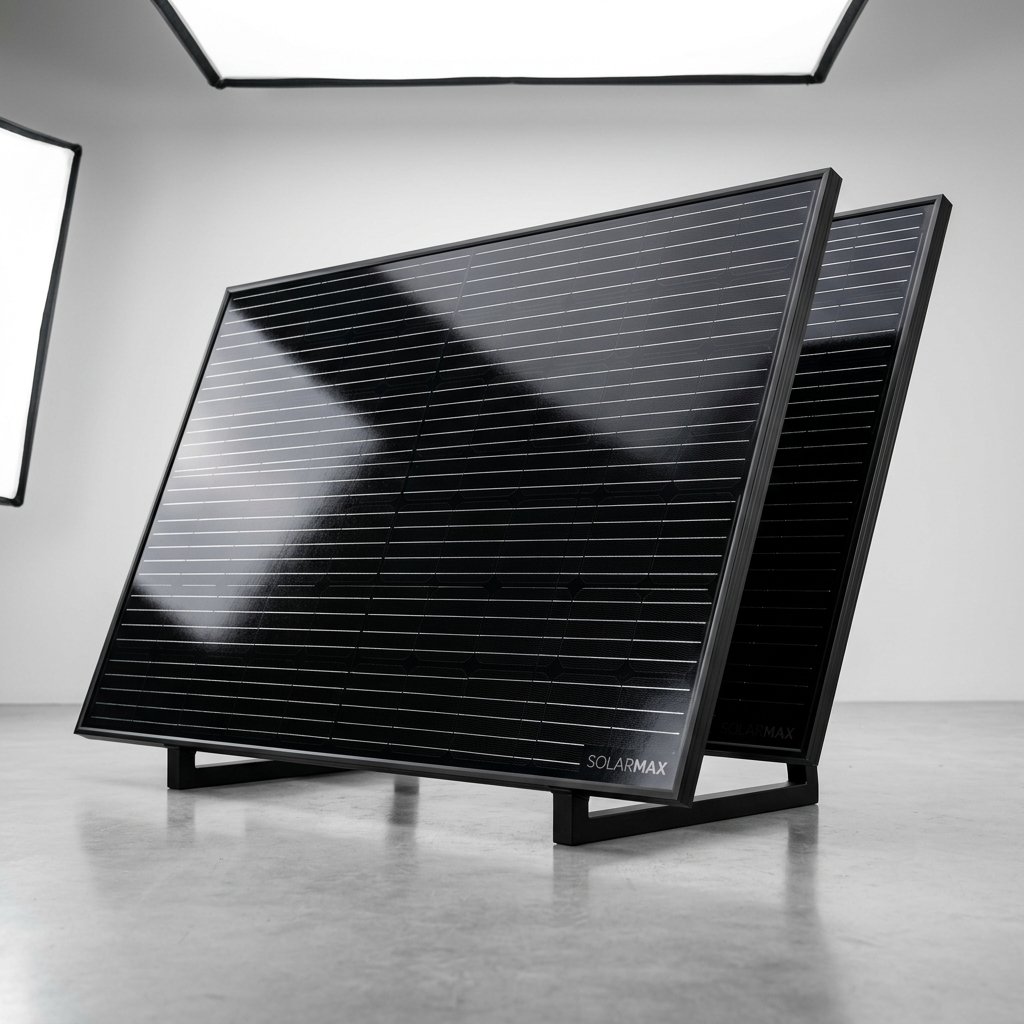
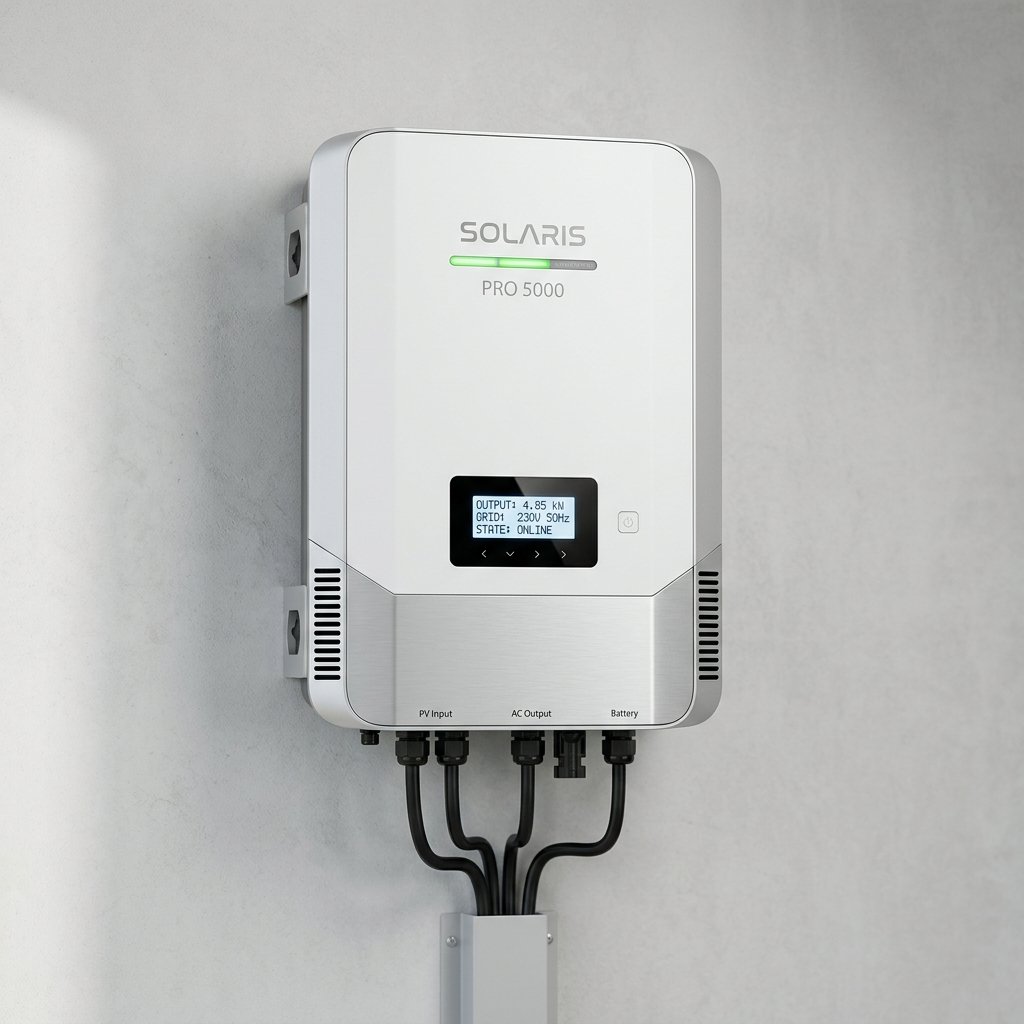
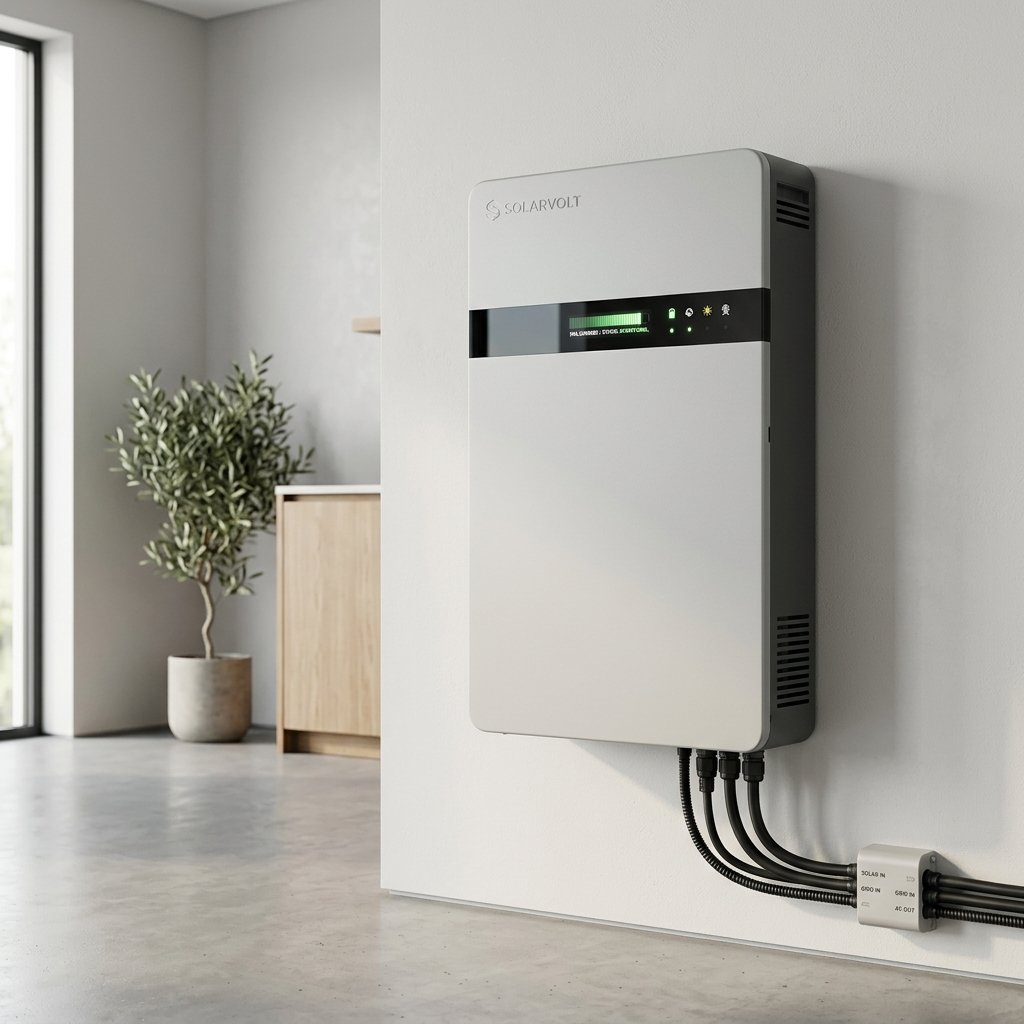
We supply top-tier solar panels, inverters, and batteries from globally trusted brands like Longi, Jinko, Nitrox, and ZING.
View Products
From system design and installation to net metering approval and after-sales maintenance, we handle everything for you.
Our Services
Our customers save up to 80% on electricity bills. With 10+ years of experience and hundreds of installations, results speak for themselves.
Get a Quote
HOW IT WORKS
Transitioning to clean, renewable energy has never been easier. From your initial consultation to full system activation, we handle everything to ensure a seamless and hassle-free solar installation experience.