
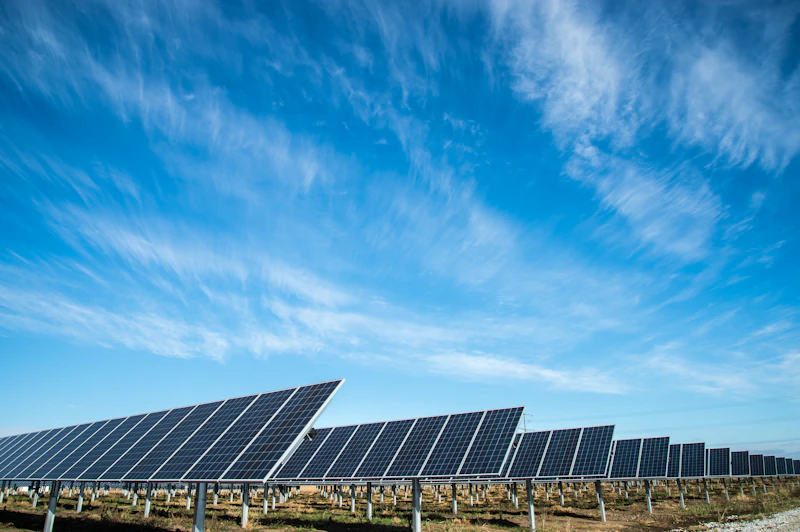
Solar system maintenance in Pakistan centers on one dominant factor, dust, which can reduce panel efficiency by 20-30% if left unaddressed, making a regular cleaning and inspection routine the single most impactful thing an owner can do to protect their investment. Beyond cleaning, a complete maintenance routine covers structural checks, wiring inspection, inverter monitoring, and seasonal reviews before summer heat and after monsoon rains, tasks that split between what a homeowner can safely do themselves and what should be left to a professional.
This guide covers how often to clean panels, the safe cleaning method that won't void your warranty, a full system maintenance checklist, and when an issue needs a professional visit rather than a DIY fix.
What every solar owner should know before starting maintenance:
- Dust impact: Can reduce output by 20–30% in Pakistan's climate if panels go uncleaned
- Recommended cleaning frequency: Every 2–3 weeks in normal areas, weekly in high-dust zones near roads or construction
- Golden rule for DIY cleaning: Always clean in early morning or evening, never in the afternoon heat, to avoid thermal shock cracking the glass
- Professional cleaning cost: Roughly PKR 1,500–3,000 for a 5kW system, PKR 3,000–5,000 for a 10kW system
- What not to DIY: Inverter servicing, battery testing, and wiring inspection, these need a trained technician
Why Does Solar Maintenance Matter So Much in Pakistan?
Solar panels generate electricity when sunlight reaches the silicon cells beneath the glass surface, so anything that blocks that light directly reduces output, and Pakistan's climate produces more of that blocking material than most owners expect. Dust, pollution, bird droppings, and in northern regions winter snow, all sit on the glass surface and act as a physical barrier between sunlight and the cells underneath. A system that was performing well at installation can show a 20% or greater drop in daily generation within months if cleaning is neglected, often mistaken by owners for a panel or inverter fault when the real cause is sitting visibly on the roof.
How Often Should You Clean Solar Panels in Pakistan?
Cleaning frequency depends heavily on location and surrounding environment, with dustier urban areas and sites near roads or construction needing more frequent attention than cleaner suburban or rural installations.
Recommended cleaning schedule by environment:
- Standard residential areas: Every 2–3 weeks
- High-dust zones (near roads, construction sites, or industrial areas): Weekly cleaning
- Coastal cities like Karachi: Watch for salt residue buildup in addition to dust, which can accumulate faster than inland areas
- Post-monsoon: A dedicated inspection and clean once rains stop, since water stains and debris often need attention beyond a simple rinse
- Pre-summer: A seasonal check before peak heat season, when maximum output matters most for both bills and system stress
How Do You Clean Solar Panels Safely?
Cleaning solar panels the wrong way can permanently damage the anti-reflective coating on the glass, reduce output further, and void the manufacturer's warranty, so the method matters as much as the frequency.
Safe cleaning steps:
- Clean early morning or evening only, never in the afternoon heat, since cold water on hot glass causes thermal shock that can crack the panel
- Rinse with a standard garden hose at low to medium pressure, starting from the top and letting water flow downward
- Avoid high-pressure washers, the intense jet can damage cell connections and seals over time
- Skip chemical cleaners, they leave a residue film that attracts more dust and can degrade the anti-reflective coating; a few drops of mild dish soap in a full bucket is sufficient for stubborn oil-based stains
- Dry with a rubber squeegee rather than letting water air-dry, since Pakistan's hard tap water leaves calcified mineral spots that harden and become difficult to remove over time
What Should a Complete Maintenance Checklist Cover?
A complete maintenance routine goes beyond panel cleaning to cover every major component of the system, and splits clearly between tasks homeowners can safely handle and tasks that need a trained technician.
Homeowner-safe tasks:
- Cleaning panels on the recommended schedule
- Visually inspecting for cracked insulation, open connectors, burn marks, or water pooling near electrical points, and stopping system use immediately if any of these are spotted
- Trimming trees or clearing branches and leaves that create shading
- Checking the inverter's indicator lights or monitoring app for normal operation and tracking daily output for sudden drops
Tasks that need a professional:
- Inverter servicing and fault diagnosis
- Battery testing and capacity checks
- Wiring inspection and connection tightening
- Mounting structure review, particularly after storms or heavy monsoon rain
A complete professional service visit should include surface cleaning, structure review, wiring inspection, inverter reading, and a basic performance report comparing current output against expected generation for the system's size and age.
What Should You Check After Monsoon Season?
Monsoon rain can wash away light dust naturally, but it also introduces its own maintenance concerns that need a dedicated check once the weather clears. Look for water stains that don't wash away, foggy or dulled panel surfaces, visible debris caught in mounting structures, and any signs of water intrusion near junction boxes or electrical connections. If you notice continued low output, staining that doesn't clear with a standard rinse, or any visible electrical concern after monsoon season, that's a signal to book a professional inspection rather than continuing to monitor and wait.
What Are Warning Signs Your System Needs Professional Attention?
Certain signs point to problems beyond routine dust buildup and should prompt an immediate professional visit rather than a DIY fix.
Stop and call a professional if you notice:
- Cracked insulation, open connectors, or visible burn marks anywhere on the system
- Water pooling near electrical points or junction boxes
- Sudden, significant output drops that persist after cleaning
- Repeated inverter fault codes or unexpected restarts
- Stains or discoloration on panels that don't clear with standard rinsing
Continuing to operate a system showing any of these signs risks both further equipment damage and, in the case of exposed wiring or water near electrical points, genuine safety hazards.
How Solar Solution Pakistan Supports Ongoing System Maintenance
Solar Solution Pakistan's maintenance service covers the full checklist beyond what's safe for a homeowner to handle alone, including inverter servicing, battery testing, wiring inspection, and structural review, scheduled around Pakistan's seasonal dust and monsoon patterns rather than a generic fixed interval. Systems installed through our installation service come with access to ongoing maintenance support, and our system design team factors long-term maintenance access into panel placement and mounting decisions from the start, which reduces how often professional intervention is needed later.
For commercial and industrial installations, where every percentage point of output matters at scale, our commercial solutions team can set up a maintenance contract matched to system size and site conditions.